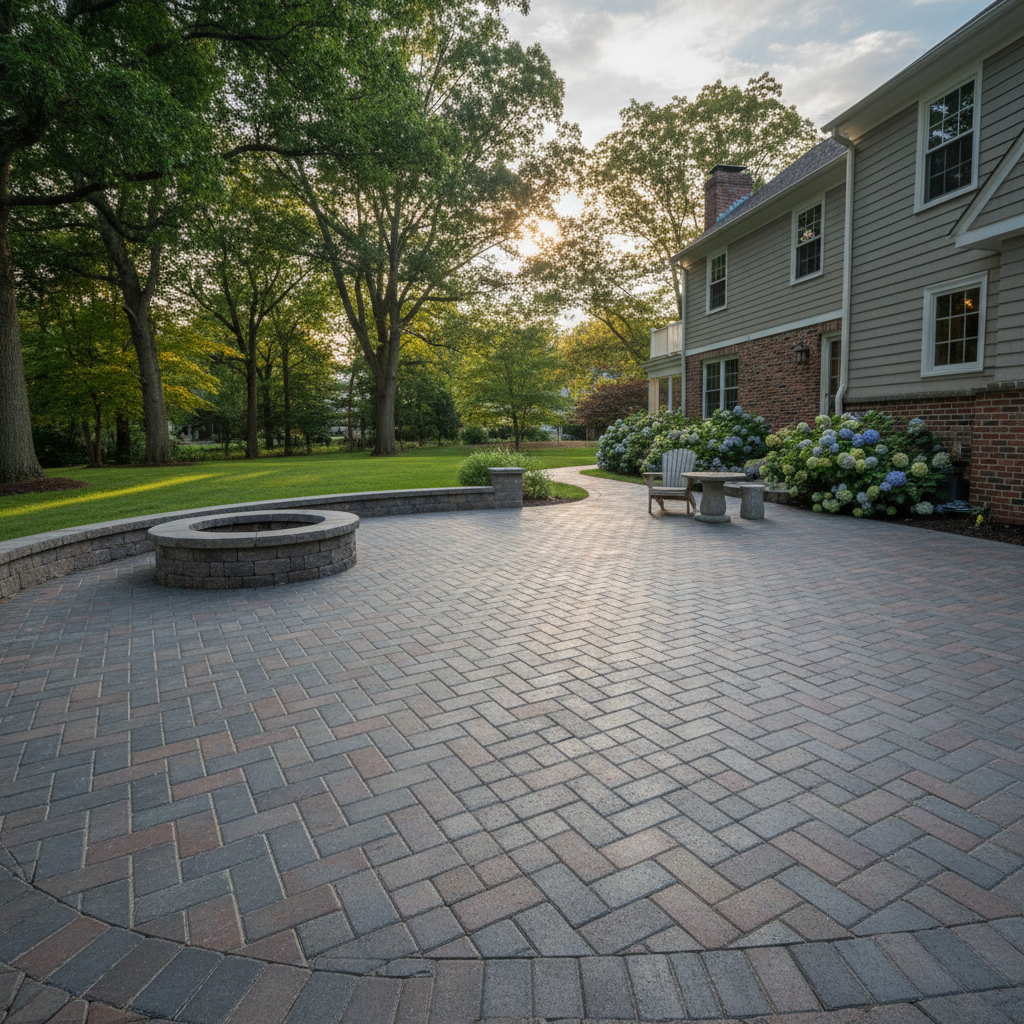
So, you've got a beautiful paver patio, walkway, or driveway. Maybe Absolute Masonry Inc. even put it in for you. That's a solid investment, and you want it to last, right? Pavers are tough, don't get me wrong, but even the best installation needs a little looking after. Especially here in Brookline, with our crazy weather.
I've seen it all over the years, from Beacon Street to Chestnut Hill. Folks spend good money on pavers, then forget about them until there's a problem. Don't be that person! A little regular maintenance goes a long way toward extending the life of your pavers and keeping them looking sharp.
Regular Maintenance: Your Paver Checklist
This isn't rocket science, but it's important. Think of it like changing the oil in your car, really.
- Keep 'em Clean: This is the easiest one. Sweep off leaves, dirt, and debris regularly. If you let organic matter sit, especially in damp, shady spots, you're practically inviting moss and algae to set up shop. A good broom or leaf blower does the trick.
- Wash 'em Down: Every few months, give your pavers a good rinse with a garden hose. For tougher grime or dirt buildup, a mild detergent (like dish soap) and a stiff brush can work wonders. Just make sure to rinse thoroughly afterward so you don't leave any residue.
- Watch the Weeds: Weeds just love to sprout in the sand joints between pavers. Pull them out by hand when they're small, or use a weed killer specifically designed for pavers. Be careful with harsh chemicals, though; you don't want to stain your pavers or, heaven forbid, kill your prize-winning hydrangeas.
- Re-sand the Joints: This is a big one, especially after a few years. The sand in the joints, called jointing sand or polymeric sand, is what locks your pavers in place and helps prevent weeds. Over time, rain, wind, and even foot traffic can erode it. You'll want to sweep in new polymeric sand every 2-5 years, depending on traffic and weather exposure. It's a bit of a process – you sweep it in, then lightly mist it with water to activate the polymers – but it's crucial for stability.
- Seal 'em Up (Sometimes): Not every paver needs sealing, but it can offer extra protection against stains, UV fading, and even slow down moss growth. If you've got a high-traffic area, or if you're constantly spilling BBQ sauce on your patio, a good quality sealer can be a smart move. I usually recommend waiting at least a year after installation before sealing, to let everything settle.
Warning Signs: Don't Ignore These
Your pavers will usually tell you when something's not quite right. You just need to know what to look for.
- Sinking or Uneven Pavers: This is probably the most common issue I get calls about. If you see a paver or a section of pavers starting to sink, dip, or become uneven, it means the base underneath isn't stable anymore. This could be due to poor drainage, freeze-thaw cycles, or even burrowing animals. Don't wait on this; it'll only get worse and become a tripping hazard.
- Cracked or Chipped Pavers: While pavers are durable, extreme stress, heavy impacts, or prolonged exposure to de-icing salts can cause them to crack or chip. A single cracked paver isn't usually an emergency, but it's a sign to keep an eye on things. If you see a lot of them, or if the cracks are spreading, it might indicate a bigger issue with the base.
- Excessive Weeds, Moss, or Algae: A little bit is normal, but if your pavers are turning green or you're fighting a jungle of weeds, it often means your jointing sand is compromised or your drainage isn't quite right, leading to constant moisture.
- Washed-Out Joint Sand: If you can easily scrape out the sand between your pavers, or if you see significant gaps, it's definitely time to re-sand. This leaves your pavers vulnerable to shifting.
When to Call a Professional (Like Me)
Look, some things you can handle yourself, but there are times when you really need an expert. Here's when to pick up the phone:
- Significant Sinking or Shifting: If you've got large areas of pavers sinking or shifting, or if the problem keeps coming back after you've tried to fix it, you've likely got a base or drainage issue that needs professional assessment. We've got the tools and experience to properly lift, re-level, and compact the base.
- Drainage Problems: If water is pooling on your pavers, running towards your house, or causing constant dampness, that's a serious problem. Poor drainage can undermine your entire paver system and even damage your home's foundation. We can assess the grade and suggest solutions like channel drains or French drains.
- Extensive Cracking or Damage: While you can replace a few cracked pavers yourself, if a large number are damaged, or if you suspect the cracking is due to a failing base, it's time for a pro.
- You Just Don't Have the Time or Tools: Let's be honest, not everyone wants to spend their Saturday afternoon wrestling with polymeric sand or renting a plate compactor. If you'd rather spend your weekend enjoying your Brookline yard than working on it, that's what we're here for.
Taking care of your paver installation isn't just about looks; it's about protecting your investment. A little proactive maintenance now can save you a lot of headaches and money down the road. If you're ever unsure, or if you see something that just doesn't look right, give us a call at Absolute Masonry Inc. We're always happy to take a look and give you an honest opinion.