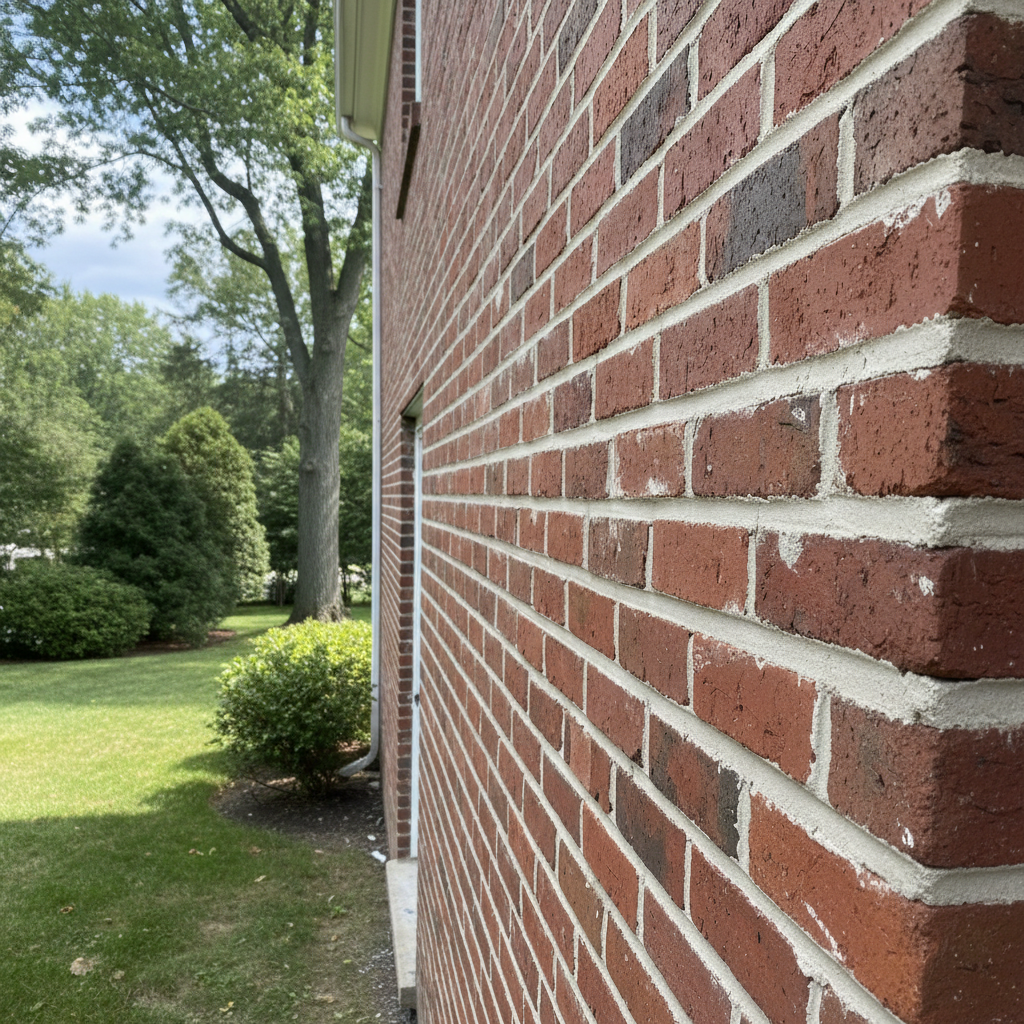
Got an older brick home in Brookline, maybe up in Chestnut Hill, and you're seeing some mortar starting to crumble? Yeah, that's usually a pretty clear sign you need tuckpointing. It's not just about making things look nice, though that's part of it; this is crucial maintenance for keeping water out and your home's structure solid. But, man, I've seen homeowners make some real head-scratching mistakes when they're planning this kind of work or trying to hire someone. Let's talk about how to skip those headaches.
Mistake #1: Not Really Getting What Tuckpointing Is
A lot of folks figure tuckpointing just means slathering some new mortar right over the old stuff. That's actually called repointing, and honestly, it's only half the job – sometimes even less. Real tuckpointing means carefully digging out the old, worn-out mortar to a consistent depth. Then, you fill those spaces with new mortar that matches the original in color, texture, and how strong it is. After that, especially on historic homes, masons often apply a thin, raised line of contrasting lime putty – that's the 'tuck' joint – to give it a really crisp, even look. This is super important for older homes where the original mortar might have been a softer lime mix. If a contractor just grinds out a little bit and shoves in hard Portland cement, you're just asking for bigger problems down the road. Why? Because that new, harder mortar won't give, and it can actually damage the softer, older bricks as they expand and contract differently, especially with our wild New England weather.
Mistake #2: Hiring the Cheapest Bid Without Asking the Right Questions
Look, I get it, everyone wants a good deal. But when it comes to masonry, the cheapest bid is almost always a huge warning sign. Tuckpointing is skilled work; it takes time, real experience, and the right materials. If a price seems too good to be true, well, it probably is. Here's what you absolutely need to ask:
- What kind of mortar will you use? They should be able to tell you about the mix – the sand, lime, and cement ratios. For older homes, a historic lime mortar might be non-negotiable.
- How deep will you grind out the old mortar? It should be at least twice the width of the joint, usually somewhere around 3/4 inch to an inch. If they say they'll just 'surface grind,' seriously, just walk away.
- How will you match the color and texture? A good contractor will always do test patches in a spot that's not too noticeable first. This is key for keeping your home looking right.
- What's your process for cleaning the wall before and after? Proper cleaning is essential. You definitely don't want mortar smears all over your beautiful bricks.
- Can you provide references from other Brookline homeowners? Someone who's done work right here locally and can show you their finished projects? That's a huge plus.
Don't be shy about digging into these details. It's your home, after all, and you're spending good money.
Mistake #3: Ignoring How Important Mortar Composition Is
This kind of circles back to Mistake #1, but it really needs its own spotlight. Many older Brookline homes, especially those built before the 1930s, used softer, lime-based mortars. These mortars were designed to be the sacrificial lamb, if you will – they're softer than the brick, so they absorb moisture and expand or contract without damaging the brick itself. If you introduce a modern, hard Portland cement mortar into those joints, you're basically setting up a fight. The harder mortar won't budge, and the softer, more porous bricks will end up taking the brunt of the stress. This leads to spalling, where the face of the brick flakes off, or cracking. A skilled mason, like the folks at Absolute Masonry Inc, knows how to analyze your existing mortar and recommend a mix that actually works with it. Sometimes, it even means creating a custom blend to truly match the original.
Mistake #4: Not Checking for Proper Licensing and Insurance
This one? Absolutely non-negotiable. Any contractor working on your home must be properly licensed and insured. Here in Massachusetts, that means they need a Home Improvement Contractor (HIC) registration. Ask for proof of their liability insurance and worker's compensation. If they can't provide it, or they start to hem and haw, that's a gigantic red flag. If an uninsured worker gets hurt on your property, or if they damage your home, you could be held responsible. It's just not worth the risk, no matter how appealing their price might seem.
Mistake #5: Forgetting About Water Management
Often, you need tuckpointing because water has already found its way into the mortar joints. But just fixing the mortar isn't enough if you don't tackle the main reason that water got in there in the first place. Are your gutters clean and actually directing water away from the foundation? Is the ground around your house sloped correctly? Any leaky pipes or flashing issues? A good masonry contractor will often point out these related problems. It's kind of like patching a hole in a boat without fixing the actual leak – you're just delaying the inevitable. Take a good, hard look at your whole exterior, especially after a heavy rain, to find any other spots where water might be causing trouble.
By steering clear of these common mistakes, you'll make sure your tuckpointing project gets done right, lasts for decades, and truly protects your Brookline home. Don't rush into it; do your homework and choose wisely.